ByJohn A
How Technical Analysis Works in Crypto Markets
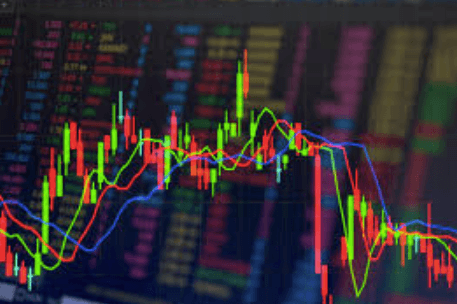
Technical analysis in crypto markets hinges on price action, volume, and volatility to forecast likely moves rather than intrinsic value. Core tools—moving averages for trend, RSI for momentum, MACD for shifts, and volume for participation—provide repeatable signals. Chart patterns and support/resistance quantifiably frame risk, though reliability varies with timeframe and context. The approach demands disciplined criteria and risk controls, while data provenance and biases remain ongoing concerns that invite further scrutiny.
What Technical Analysis Is in Crypto
Technical analysis in crypto refers to the study of price and volume patterns to forecast future market movements. It identifies trends, patterns, and support/resistance to quantify risk and inform decisions. The approach intersects cryptocurrency psychology and algorithmic valuation, framing market sentiment and data-driven signals. Practitioners gauge credibility of signals, balancing empirical evidence with adaptive risk management for freedom-oriented participation.
Core TA Tools: MA, RSI, MACD, and Volume
Moving average (MA), relative strength index (RSI), moving average convergence/divergence (MACD), and volume analysis constitute the core tools for decoding price action in crypto markets; each metric offers distinct insights into trend, momentum, and participation levels that traders combine to form evidence-based decisions.
These tools inform risk management and gauge exchange liquidity, guiding disciplined, data-driven strategy without overinterpretation.
Reading Chart Patterns and Their Pitfalls
Chart patterns offer visual evidence of price psychology, but their reliability varies with context and timeframe.
In crypto, recognition hinges on volume, trend alignment, and timeframe granularity; patterns can mislead when markets exhibit pattern fatigue or convergence with noise.
Traders should quantify breakpoints and beware false breakouts, validating signals with corroborating indicators and risk controls to avoid overinterpretation.
See also: bloglimhttps
Practical, Safe Ways to Use TA in Crypto Trading
Practical, safe use of technical analysis in crypto trading centers on structured validation, disciplined risk management, and transparent methodology. The approach favors reproducible signals, diversified exposure, and documented decision criteria. Analysts acknowledge AI vs TA bias, examining data provenance and model limitations. Ethical considerations emphasize risk management ethics, avoiding overconfidence, and aligning strategies with investors’ risk tolerance and regulatory realities.
Conclusion
Technical analysis in crypto translates price action, volume, and volatility into actionable probability. By anchoring decisions to moving averages, RSI, MACD, and volume, traders quantify trend, momentum, and participation while recognizing pattern limitations across timeframes. Risks include data bias and overfitting to noise. A disciplined framework—predefined entry/exit, risk controls, and provenance checks—yields repeatable decisions. In this landscape, TA is a compass, not a map, guiding positions through turbulent markets with measured, data-backed confidence.